
Uncategorized

Uncategorized

What is the best route to hike up mount kilimanjaro

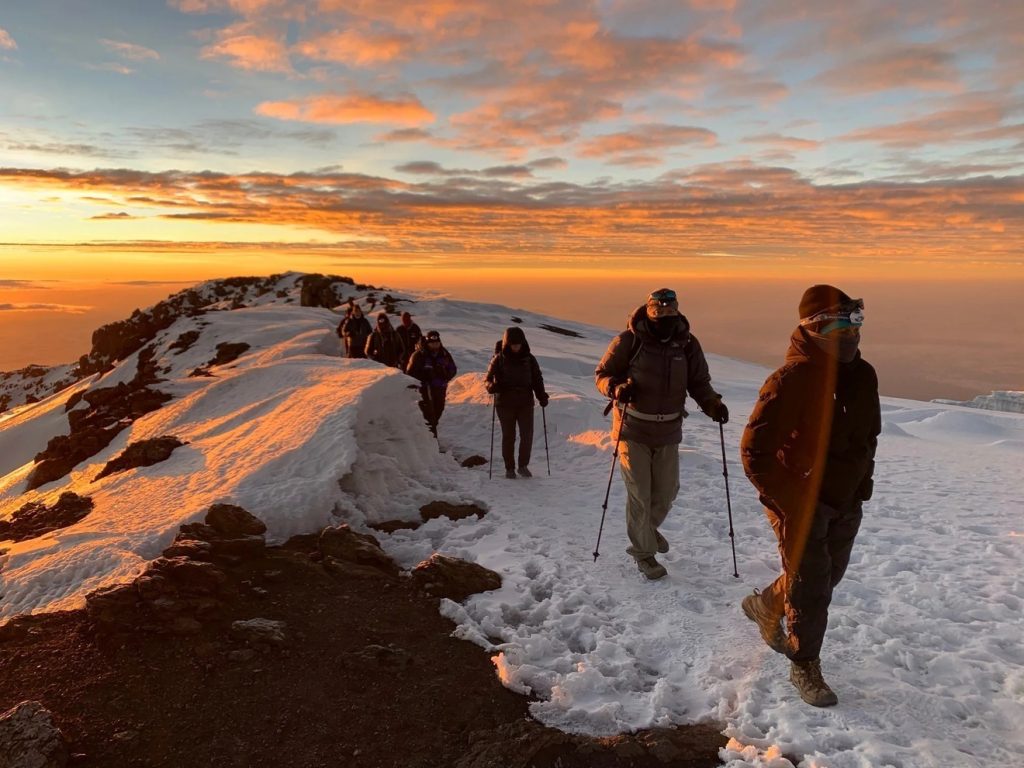
Mount Kilimanjaro, located in Tanzania, is the highest peak in Africa, standing at 5,895 meters (19,341 feet) above sea level. Known as the “Roof of Africa,” it is a dormant stratovolcano with three cones: Kibo, Mawenzi, and Shira. Kilimanjaro is renowned for its breathtaking landscapes, from lush rainforests at its base to arctic ice fields at its summit. THE BEST TIMES TO CLIMB Understanding the mountain’s conditions is crucial for trip planning, and Kilimanjaro’s seasons add another layer to consider. The mountain experiences four seasons, albeit not in the traditional sense: a short rainy season (November), a long rainy season (late March to early June), a short dry season (January and February), and a long dry season (July to October). Optimal climbing times are during the dry seasons, which are typically busier but offer a vibrant, high-energy atmosphere at camp, providing a much-needed morale boost. Indeed, there’s strength in numbers, as the saying goes. Understanding Acute Mountain Sickness While it’s uncertain whether AMS will be a part of your journey, over 75% of climbers may encounter symptoms above 9,000 feet (2,700 meters). AMS typically presents with nausea, headaches, regardless of a climber’s fitness level. Additionally, loss of appetite, shortness of breath, and difficulty sleeping may occur with prolonged high-altitude exposure. In severe cases, AMS can lead to life-threatening cerebral and pulmonary edema. However, Pumba Safari is well-equipped to mitigate altitude sickness with comprehensive strategies outlined in their high-altitude climbing handbook. Climbing Kilimanjaro involves choosing from several routes, each offering a unique experience and varying levels of difficulty. Here are the main routes: 1. Marangu Route (Coca-Cola Route) 2. Machame Route (Whiskey Route) 3. Lemosho Route 4. Rongai Route 5. Northern Circuit Route 6. Shira Route 7. Umbwe Route 8. Mweka Route Each route offers a unique combination of challenges, scenic beauty, and acclimatization profiles. Climbers must choose based on their fitness level, experience, and preference for duration and scenery. Regardless of the route, climbing Kilimanjaro is a test of endurance and a rewarding adventure that offers an unparalleled sense of accomplishment.

Uncategorized

zanzibar Vacation Holiday

Zanzibar: Your Ultimate Tropical Getaway Introduction Zanzibar, an archipelago off the coast of Tanzania in East Africa, is renowned for its stunning beaches, vibrant culture, and rich history. Whether you’re seeking relaxation, adventure, or cultural immersion, Zanzibar offers an unforgettable vacation experience. Getting There Zanzibar is accessible by air and sea. The Abeid Amani Karume International Airport in Zanzibar City receives flights from various international and regional destinations. Alternatively, travelers can take a ferry from Dar es Salaam on the Tanzanian mainland. Best Time to Visit The best time to visit Zanzibar is during the dry season, which runs from June to October. During this period, the weather is warm and sunny, making it perfect for beach activities and exploring the islands. The short rainy season in November and the long rainy season from March to May can bring heavy showers, but they also offer fewer crowds and lush, green landscapes. Top Attractions 1. Stone Town A UNESCO World Heritage site, Stone Town is the historic heart of Zanzibar City. Its narrow winding streets are lined with bustling markets, ornate houses, and historic landmarks such as the House of Wonders and the Old Fort. Don’t miss the chance to visit the former slave market, a sobering reminder of Zanzibar’s role in the slave trade. 2. Beaches Zanzibar boasts some of the most beautiful beaches in the world. Nungwi and Kendwa on the northern coast are famous for their white sands and turquoise waters, perfect for swimming and sunbathing. For a more tranquil experience, visit Paje or Jambiani on the east coast, where you can also enjoy kitesurfing and snorkeling. 3. Spice Tours Zanzibar is often referred to as the “Spice Island” due to its history as a major spice producer. A spice tour offers the opportunity to visit local farms and learn about the cultivation of cloves, nutmeg, cinnamon, and other spices. These tours often include a tasting session and a chance to purchase fresh spices to take home. 4. Jozani Forest Home to the endangered Red Colobus monkey, Jozani Forest is the largest area of mature forest on Zanzibar. Visitors can take guided walks through the forest to see these unique primates, as well as a variety of bird species and other wildlife. The forest is also part of the Jozani Chwaka Bay National Park, which includes mangrove swamps and coastal ecosystems. Activities 1. Diving and Snorkeling Zanzibar’s coral reefs are teeming with marine life, making it a paradise for divers and snorkelers. The Mnemba Atoll Marine Reserve is a popular spot for diving, offering the chance to see dolphins, turtles, and colorful fish. Snorkeling trips are also available to various locations around the islands. 2. Sailing and Water Sports Traditional dhow sailing trips are a unique way to explore Zanzibar’s coastline and nearby islands. Visitors can also enjoy water sports such as kayaking, windsurfing, and paddleboarding. 3. Cultural Experiences Immerse yourself in local culture by visiting traditional villages, attending a taarab music performance, or taking a cooking class to learn how to prepare Swahili dishes. The friendly locals are always eager to share their customs and traditions with visitors. Accommodations Zanzibar offers a wide range of accommodations to suit all budgets, from luxury resorts to budget-friendly guesthouses. Many beachfront properties offer stunning ocean views and direct access to the beach, while hotels in Stone Town provide a historic ambiance and easy access to cultural sites. Zanzibar is a destination that captivates the senses with its stunning natural beauty, rich cultural heritage, and warm hospitality. Whether you’re lounging on pristine beaches, exploring historic sites, or savoring the flavors of local cuisine, Zanzibar promises a vacation experience that will leave you longing to return.

Uncategorized

The Great Migration seasons in Tanzania

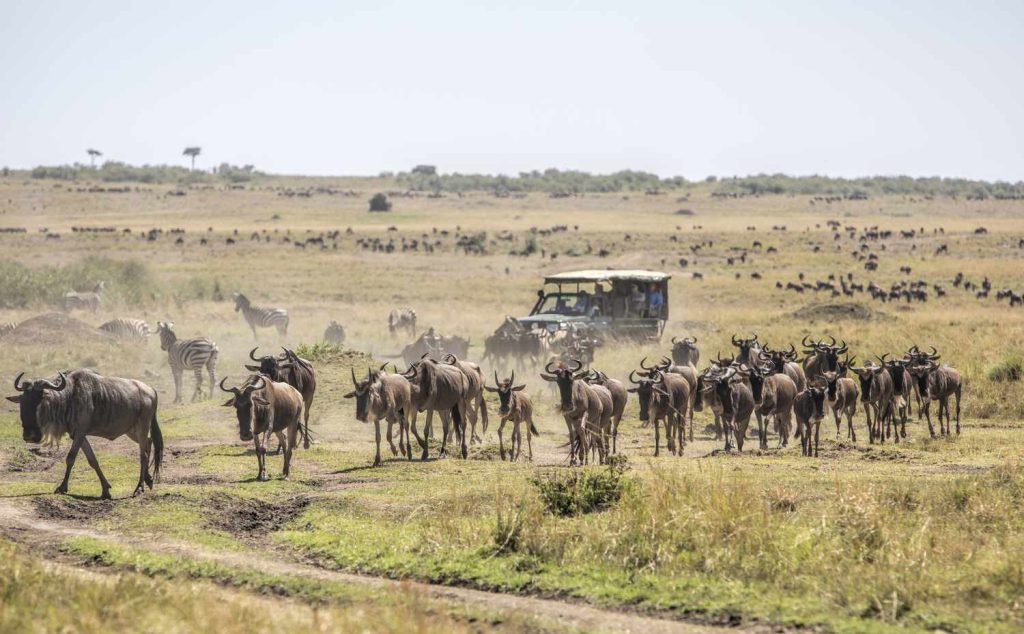
One of the most sought-after experiences for wildlife and nature enthusiasts, the Great Migration is the ever-moving circular migration of over a million animals across the Serengeti-Mara ecosystem. The constant movement of columns of wildebeest, joined by a host of companions, follows an age-old route in search of grazing and water. After calving in the southern part of Tanzania’s Serengeti near the Ngorongoro Ndutu Area, the animals journey through the Serengeti up and around in a clockwise direction towards the Masai Mara in Kenya, before returning once again near the end of the year. Along the way, high drama is always present, as thousands of animals are taken by predators and thousands more are born, replenishing the numbers and sustaining the circle of life. Wildebeest Wildebeest form the bulk of the migration, being very numerous. They prefer short grasses but will eat tall grasses, especially after they have been “trimmed” by zebras and buffalo. They thrive on the new shoots of grasses. The Great Migration Seasons The Great Migration seasons in Tanzania offer stunning wildlife spectacles as millions of animals traverse the Serengeti and Masai Mara. While historic migration patterns can help predict where the herds will be at a particular time, these are wild animals, and the annual rainfall they rely on for grass growth is becoming more unpredictable. Mirable Safaris operates along the entire migration route, providing our guests with the best opportunity to witness the migration up close while on safari. Explore the Great Migration seasons in Tanzania with us. Month by Month: The Serengeti Wildebeest Migration

Scroll to Top