Author name: Mirable Safari

Blog

Best time for safari in Tanzania

GUIDE TANZANIA SAFARI Best time for safari in Tanzania Best time for safari in Tanzania The dry seasons are the best time for safari in Tanzania. January to March is great for seeing baby animals and lush landscapes. June to October is ideal for seeing LOTS of animals! But there will be crowds. Here’s a breakdown of Tanzania’s safari seasons. Why the Northern Circuit offers Tanzania’s best safari Tanzania offers visitors three safari options: A Northern Circuit safari A Southern Circuit safari A Western Circuit safari While there are wonderful parks and game experiences to be had in the south and west of the country, the out-and-out frontrunner for big-game safaris is the north. This is because the Northern Circuit has: Ngorongoro Crater Serengeti National Park The Great Wildlife Migration A marvellous density of the Big Five One of the highest predator concentrations in Africa For these reasons, in this post about the best times for safari in Tanzania, we share the best times for heading to the parks of the Northern Circuit. The Northern Circuit is the most popular region in Tanzania for safari because it boasts the UNESCO-listed sites of Ngorongoro Crater and the Serengeti. What game parks are in the Northern Circuit? The four main game parks of the Northern Circuit are: Serengeti National Park Ngorongoro Conservation Area (which encompasses Ngorongoro Crater) Tarangire National Park Lake Manyara National Park There are also other great game parks in northern Tanzania, like Arusha National Park. There are also other wonderful places to see wildlife, like Lake Natron Game Controlled Area, Maswa Game Reserve, and the Ngorongoro Conservation Area (NCA). But in this post we focus on just the above-mentioned four national parks, as these are the most popular in the region. Which of the Northern Circuit parks should I visit? Serengeti National Park and Ngorongoro Crater are the stars of the Northern Circuit, receiving by far the bulk of visitors each year. Lake Manyara National Park and Tarangire National Park are the lesser-known parks, and so offer quieter safaris. Safari guides love these quieter parks as they offer different landscapes, habitats and animal concentrations to the Serengeti and Ngorongoro. We highly recommend visiting the Serengeti and Ngorongoro Crater as well as at least one of the quieter parks during your Northern Circuit safari. The Serengeti and Ngorongoro Crater are worthy of all of the hype, but the quieter parks are also complete gems! For a fuller view of the wildlife of northern Tanzania, we recommend visiting Ngorongoro Crater, the Serengeti, and one of the two smaller parks. The Northern Circuit has a subtropical climate. This means it has warm, wet seasons, as well as drier, cooler seasons. As Tanzania is so close to the Equator, you have around eight hours of sunlight every day no matter what the season. This means you can enjoy a fantastic Northern Circuit safari at any time of the year. The Northern Circuit has four main seasons … 1. A short dry season: January to mid March January to mid March sees a let up in the rains, which is helpful for game drives. The days can be very hot, however. This is a great season for bird-lovers as many migratory birds are in town in all of the four parks. You also see lots of baby animals being born – this is the time of year when antelopes and zebras give birth. It’s a popular time for going on safari in Tanzania. 2. A long wet season: mid March to May This is the Northern Circuit’s quietest season, as the long rains set in. All that rain does, however, lead to gorgeously green landscapes, and lots of flowers. And on the days when it’s not too wet for a game drive, you have the parks seemingly to yourself. Note that certain sections of the parks can become too clogged to be driven during the heart of the wet season. 3. A long dry season: June to mid October This is the most popular safari season along the Northern Circuit. There are two primary reasons for this. Firstly, the days are dry and not too hot, which mean pleasant game drive conditions. Secondly, the vegetation dries up, and the shorter grasses and more barren bushes and trees make animal-spotting easier. The crowds swell at this time since you’re likely to see more game than at any other time of year. Also, the river crossings of the Great Migration take place during the long dry season, and many travellers time their safari to see this spectacle. June to October offers the best wildlife viewing in all of the parks – the short, dry vegetation makes it easier to spot animals. Also, Lake Manyara and Tarangire see an influx of animals in search of water. 4. A short wet season: Mid October to December Late October, November and December see some much-needed rain coming to the Northern Circuit. Green shoots rapidly appear to soften the landscape. This is a quieter safari period, with tourist numbers dropping markedly. Migratory birds start arriving in the region in November. Tarangire in particular is known for its phenomenal migrant bird population. When is the best time for a Northern Circuit safari? So when it comes to determining the best time for safari in Tanzania – or, in our case, a Northern Circuit safari – we need to consider the best times for visiting each park. We discuss what to expect month by month at each park to help you determine when you’d like to plan your Tanzania safari. You can enjoy an amazing Northern Circuit safari at any time of the year. There’s such a staggering density of large animals in the region that you never have to worry about ‘missing’ the animals! The ‘best time’ for safari in Tanzania depends on what you most want to see … So settling on a ‘best time’ is about deciding what you most want to see while on safari in Tanzania. For instance, there are the spectacular (and chaotic) river crossings of the Great Wildebeest Migration.
Blog

All you need to know about the Great Wildlife Migration

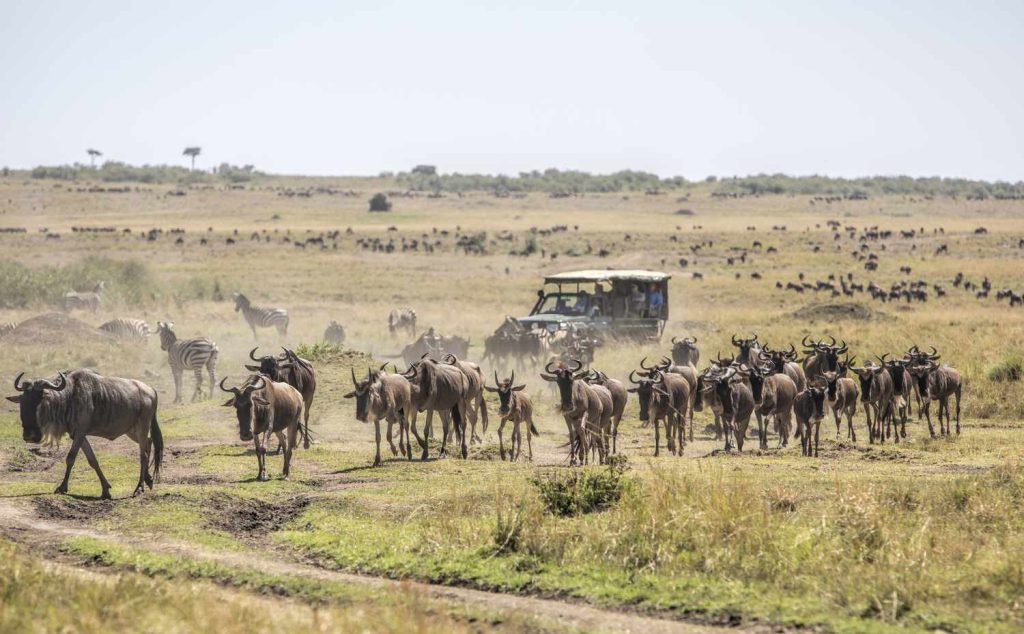
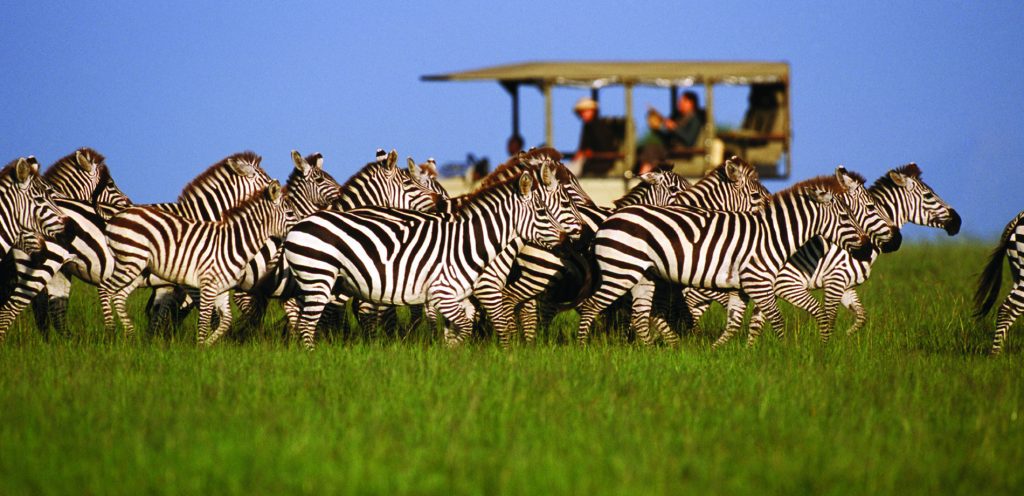
GUIDE TANZANIA SAFARI All you need to know about the Great Wil…. All you need to know about the Great Wildlife Migration The Great Wildlife Migration is an enormous and continuous roughly circular migration across the plains and woodlands of Tanzania and Kenya by two million wildebeests, zebras and antelopes. Learn all about this fascinating and truly spectacular phenomenon! What is the Great Wildlife Migration? The Great Wildlife Migration – also simply called the Great Migration – is the largest overland migration on Earth. Around two million hoofed animals move together in a roughly circular path across a vast expanse of East Africa. An annual phenomenon, it’s also a migration with a ‘tail’: predators like lions stalk the travelling herds for prey. It’s a wildlife extravaganza that draws visitors from the around the world who are eager to go on safari and see this unique spectacle for themselves. The Great Wildlife Migration is a spectacular annual movement of over two million wildebeest, zebras, and gazelles across Tanzania and Kenya, driven by rainfall patterns in search of fresh grazing and water, creating a dramatic natural spectacle. Where can I see the Great Migration? The Great Wildlife Migration takes place in northern Tanzania and southwestern Kenya. It’s a cross-border ecosystem that the two countries collaborate in protecting. We love a good wildlife collaboration! Path and map of the Great Migration There is no fixed Great Migration path. Rather, each year a unique path develops based on the availability of food and water. Each cycle can end up being anywhere between 800 and 1,600 km in length. That said, there’s a general pattern to the path followed by the Great Migration animals. The animals of the migration move in a clockwise direction through the length of the Serengeti National Park and up then up into the Maasai Mara National Reserve in Kenya. The route repeats each year and covers roughly a thousand miles. Knowing the general route of the Great Wildlife Migration can help you to judge roughly when and where some of the herds will pass through. This is obviously useful when planning your African safari. Map of the Great Migration The map below gives an idea of the sort of path taken annually by the Great Migration animals. As you may have noticed in the map above, the animals of the Great wildlife Migration often head further south than the Serengeti National Park. This is because they usually also migrate through the Ngorongoro Conservation Area, another superb protected area in northern Tanzania. So while most of us think of the Great Migration as occurring in Serengeti National Park and Maasai Mara, it actually takes place in the following five protected areas: Serengeti National Park (Tanzania) Ngorongoro Conservation Area (Tanzania) Loliondo Game Controlled Area (Tanzania) Grumeti Reserve (Tanzania) Maasai Mara National reserve (Kenya) Now you know. 😉 What animals take part in the migration? The Great Migration is a spectacle unlike any other on earth. Around two million animals move en masse across the landscape of the Serengeti and Maasai Mara. The bulk of the migrating mammals are wildebeests. But there are also incredible numbers of zebras and different antelopes taking part too. Here’s a quick look at each animal you can look forward to seeing in the Great Migration … 1. Wildebeests At the heart of the Great Wildlife Migration is the wildebeest, or the blue wildebeest to be more precise. This is so much the case that sometimes the migration is referred to as the Great Wildebeest Migration. Around 1.5 million wildebeests take part in the migration. What a number! The pageant they put on when moving en masse is unique and mesmerising. Migratory herds The 1.5 million blue wildebeests of the Great Migration don’t all move in one astronomically large herd. There are various herds that separate, converge and morph as the migration moves forward. That said – and as the image below attempts to show – the herds are still massive, and are utterly uncountable to the dumbstruck spectator! Given the endless migratory habits of the wildebeests, it may not surprise you to learn that calves can stand within seven minutes of being born, and can keep up with the herd after just a coupe of days! These are animals born to get a move on! Each year between January and March, around half a million wildebeest calves are born in the Serengeti during the calving season. This incredible event marks the beginning of the Great Migration and attracts numerous predators, offering a dramatic and vital chapter in the region’s natural life cycle. 2. Zebras Around 200,000 zebras travel alongside the wildebeests as part of the Great Migration. These zebras are a subspecies of the plains zebra known as Grant’s zebra. They’re the smallest of the plains zebra, and very beautiful. The stripes on their body are vertical, while those on their legs are horizontal. Migrating alongside wildebeests Zebras are highly social animals, and live in herds. Fascinatingly, the reason that zebras can move in harmony with wildebeests in the Great Migration is that the two creatures eat different parts of the same type of grass. This is why (as shown in one of the photos below) you often see zebra and wildebeest herds mixing along the Great Migration route. Did you know that female zebras have a gestation period of over a year? They can only carry one calf at a time, and, once the calf is born, they nurse it for up to a year. Zebras and wildebeests are perfect travel companions during the migration. Zebras graze on the tougher, upper grass, while wildebeests feed on the softer, shorter parts. This complementary feeding habit allows them to coexist peacefully and efficiently share grazing areas. 3. Antelopes Various types of antelopes also make up part of the Great Wildlife Migration. Most notably, you have the following four antelopes making up the ranks of the migration: Thomson’s gazelle (Eudorcas thomsonii) – sometimes referred to as a “tommie”. Around 500,000 take part in

Uncategorized

What is the best route to hike up mount kilimanjaro

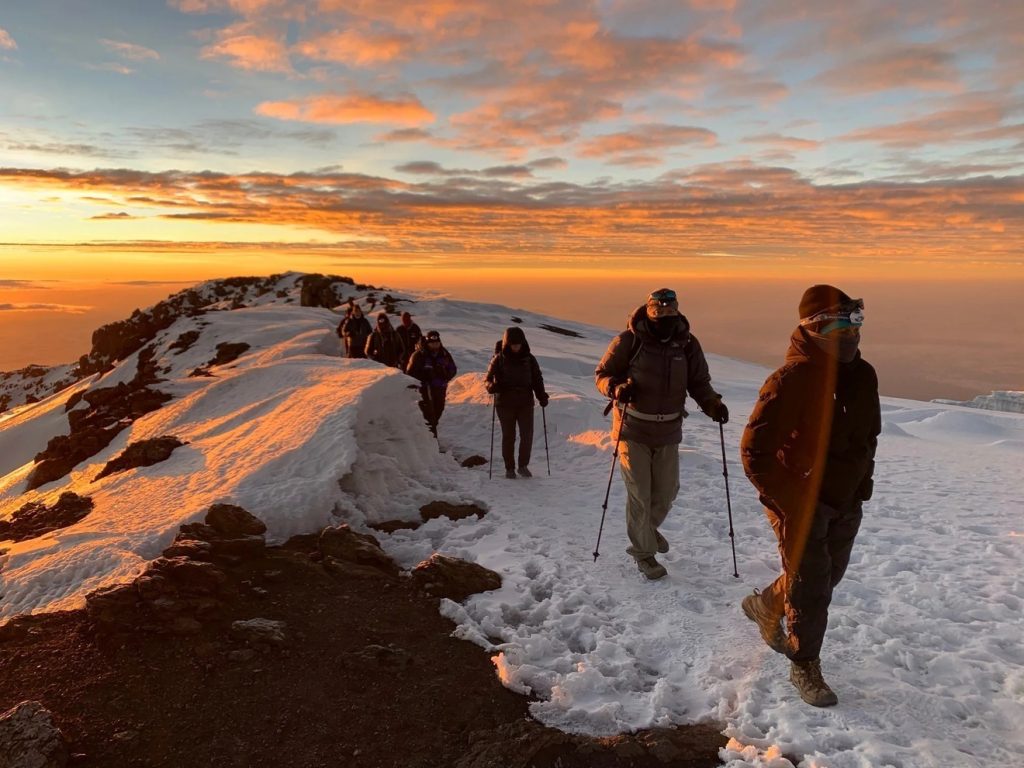
Mount Kilimanjaro, located in Tanzania, is the highest peak in Africa, standing at 5,895 meters (19,341 feet) above sea level. Known as the “Roof of Africa,” it is a dormant stratovolcano with three cones: Kibo, Mawenzi, and Shira. Kilimanjaro is renowned for its breathtaking landscapes, from lush rainforests at its base to arctic ice fields at its summit. THE BEST TIMES TO CLIMB Understanding the mountain’s conditions is crucial for trip planning, and Kilimanjaro’s seasons add another layer to consider. The mountain experiences four seasons, albeit not in the traditional sense: a short rainy season (November), a long rainy season (late March to early June), a short dry season (January and February), and a long dry season (July to October). Optimal climbing times are during the dry seasons, which are typically busier but offer a vibrant, high-energy atmosphere at camp, providing a much-needed morale boost. Indeed, there’s strength in numbers, as the saying goes. Understanding Acute Mountain Sickness While it’s uncertain whether AMS will be a part of your journey, over 75% of climbers may encounter symptoms above 9,000 feet (2,700 meters). AMS typically presents with nausea, headaches, regardless of a climber’s fitness level. Additionally, loss of appetite, shortness of breath, and difficulty sleeping may occur with prolonged high-altitude exposure. In severe cases, AMS can lead to life-threatening cerebral and pulmonary edema. However, Pumba Safari is well-equipped to mitigate altitude sickness with comprehensive strategies outlined in their high-altitude climbing handbook. Climbing Kilimanjaro involves choosing from several routes, each offering a unique experience and varying levels of difficulty. Here are the main routes: 1. Marangu Route (Coca-Cola Route) 2. Machame Route (Whiskey Route) 3. Lemosho Route 4. Rongai Route 5. Northern Circuit Route 6. Shira Route 7. Umbwe Route 8. Mweka Route Each route offers a unique combination of challenges, scenic beauty, and acclimatization profiles. Climbers must choose based on their fitness level, experience, and preference for duration and scenery. Regardless of the route, climbing Kilimanjaro is a test of endurance and a rewarding adventure that offers an unparalleled sense of accomplishment.

Uncategorized

zanzibar Vacation Holiday

Zanzibar: Your Ultimate Tropical Getaway Introduction Zanzibar, an archipelago off the coast of Tanzania in East Africa, is renowned for its stunning beaches, vibrant culture, and rich history. Whether you’re seeking relaxation, adventure, or cultural immersion, Zanzibar offers an unforgettable vacation experience. Getting There Zanzibar is accessible by air and sea. The Abeid Amani Karume International Airport in Zanzibar City receives flights from various international and regional destinations. Alternatively, travelers can take a ferry from Dar es Salaam on the Tanzanian mainland. Best Time to Visit The best time to visit Zanzibar is during the dry season, which runs from June to October. During this period, the weather is warm and sunny, making it perfect for beach activities and exploring the islands. The short rainy season in November and the long rainy season from March to May can bring heavy showers, but they also offer fewer crowds and lush, green landscapes. Top Attractions 1. Stone Town A UNESCO World Heritage site, Stone Town is the historic heart of Zanzibar City. Its narrow winding streets are lined with bustling markets, ornate houses, and historic landmarks such as the House of Wonders and the Old Fort. Don’t miss the chance to visit the former slave market, a sobering reminder of Zanzibar’s role in the slave trade. 2. Beaches Zanzibar boasts some of the most beautiful beaches in the world. Nungwi and Kendwa on the northern coast are famous for their white sands and turquoise waters, perfect for swimming and sunbathing. For a more tranquil experience, visit Paje or Jambiani on the east coast, where you can also enjoy kitesurfing and snorkeling. 3. Spice Tours Zanzibar is often referred to as the “Spice Island” due to its history as a major spice producer. A spice tour offers the opportunity to visit local farms and learn about the cultivation of cloves, nutmeg, cinnamon, and other spices. These tours often include a tasting session and a chance to purchase fresh spices to take home. 4. Jozani Forest Home to the endangered Red Colobus monkey, Jozani Forest is the largest area of mature forest on Zanzibar. Visitors can take guided walks through the forest to see these unique primates, as well as a variety of bird species and other wildlife. The forest is also part of the Jozani Chwaka Bay National Park, which includes mangrove swamps and coastal ecosystems. Activities 1. Diving and Snorkeling Zanzibar’s coral reefs are teeming with marine life, making it a paradise for divers and snorkelers. The Mnemba Atoll Marine Reserve is a popular spot for diving, offering the chance to see dolphins, turtles, and colorful fish. Snorkeling trips are also available to various locations around the islands. 2. Sailing and Water Sports Traditional dhow sailing trips are a unique way to explore Zanzibar’s coastline and nearby islands. Visitors can also enjoy water sports such as kayaking, windsurfing, and paddleboarding. 3. Cultural Experiences Immerse yourself in local culture by visiting traditional villages, attending a taarab music performance, or taking a cooking class to learn how to prepare Swahili dishes. The friendly locals are always eager to share their customs and traditions with visitors. Accommodations Zanzibar offers a wide range of accommodations to suit all budgets, from luxury resorts to budget-friendly guesthouses. Many beachfront properties offer stunning ocean views and direct access to the beach, while hotels in Stone Town provide a historic ambiance and easy access to cultural sites. Zanzibar is a destination that captivates the senses with its stunning natural beauty, rich cultural heritage, and warm hospitality. Whether you’re lounging on pristine beaches, exploring historic sites, or savoring the flavors of local cuisine, Zanzibar promises a vacation experience that will leave you longing to return.

Uncategorized

The Great Migration seasons in Tanzania

One of the most sought-after experiences for wildlife and nature enthusiasts, the Great Migration is the ever-moving circular migration of over a million animals across the Serengeti-Mara ecosystem. The constant movement of columns of wildebeest, joined by a host of companions, follows an age-old route in search of grazing and water. After calving in the southern part of Tanzania’s Serengeti near the Ngorongoro Ndutu Area, the animals journey through the Serengeti up and around in a clockwise direction towards the Masai Mara in Kenya, before returning once again near the end of the year. Along the way, high drama is always present, as thousands of animals are taken by predators and thousands more are born, replenishing the numbers and sustaining the circle of life. Wildebeest Wildebeest form the bulk of the migration, being very numerous. They prefer short grasses but will eat tall grasses, especially after they have been “trimmed” by zebras and buffalo. They thrive on the new shoots of grasses. The Great Migration Seasons The Great Migration seasons in Tanzania offer stunning wildlife spectacles as millions of animals traverse the Serengeti and Masai Mara. While historic migration patterns can help predict where the herds will be at a particular time, these are wild animals, and the annual rainfall they rely on for grass growth is becoming more unpredictable. Mirable Safaris operates along the entire migration route, providing our guests with the best opportunity to witness the migration up close while on safari. Explore the Great Migration seasons in Tanzania with us. Month by Month: The Serengeti Wildebeest Migration

Scroll to Top